
How Marsverse works
Land on Mars, claim your patch of the planet and grow it into a living colony. Here's everything the game holds — your astronaut, your buildings, resources and the economy — in plain language, shown with the actual in-game art.
What is Marsverse
Marsverse is a multiplayer game about colonizing Mars, played in third person straight in your browser — no install, no launcher. You drop in as an astronaut, claim your own patch of the red planet, and build it into a living colony: power, water, air and food, all kept running by you.
It's your colony to develop, at your own pace. There's no single right way to play — you mine the wastes for materials, run production on your parcel, take delivery contracts, trade with other colonists and kit out your astronaut. Most people do a bit of everything. The planet is shared; the progress is yours.
In one line: land → build your colony → keep your astronaut breathing → trade and grow.
First steps
Connect a wallet. Open the portal and connect a Robinhood Chain wallet — Phantom, MetaMask, OKX or Rabby. It signs you in and ties your colony and progress to you. Nothing to download.
Pick a world. Choose a server from the Mars globe. Each world is its own map, with its own land and its own neighbours.
Land at the main base. You spawn at the colony hub — daily contracts, the shops, the garage, and a blue field that slowly tops up your bars. From here you head out onto the surface.
The world
Each Mars world is a separate server with its own map. A world has three kinds of space:
Residential zone
Where colonists claim parcels and build their bases.
The main base
The safe hub where you spawn: daily contracts, the shops, the garage and the blue field that slowly refills your bars.
Resource fields
Shared wastes where everyone mines. Push further out and the deposits get richer — and the run back gets riskier.
Land is local, wealth is global. A parcel belongs to the world it stands on — one per world, so as new worlds open you can hold an estate on each. But your Gold, inventory, nickname and Sol streak are one account across every world, and the market is shared: list an item on one world, sell it to someone on another.
The world is persistent — it keeps running while you're offline, and everything you build is saved on the server, exactly where you left it.
Your astronaut
Out on the surface your astronaut has three bars to watch. Let them run down and you're in trouble:

Oxygen
Always draining. Hits zero and your Health starts to fall. Refill with an oxygen bottle, or rest in a powered Habitat.

Health
Only drops when you're out of air. Bring it back with food, or by resting in a powered Habitat.

Power
Your digging strength. Every swing of the pickaxe spends it — the lower it runs the slower you dig, and at zero you can't dig at all. Top up with water or an energy drink.
A Sol is one Martian day — 30 minutes of active play. Every Sol you survive adds to your streak: your prestige and your place on the leaderboards. A well-run colony makes enough of everything to cover itself; the blue field at the main base is a free but slow safety net.
Your parcel & buildings
Claim a free parcel and it's yours, tied to your wallet for good. You lay it out from foundation plates and place functional buildings on top — each one does a real job in the colony:
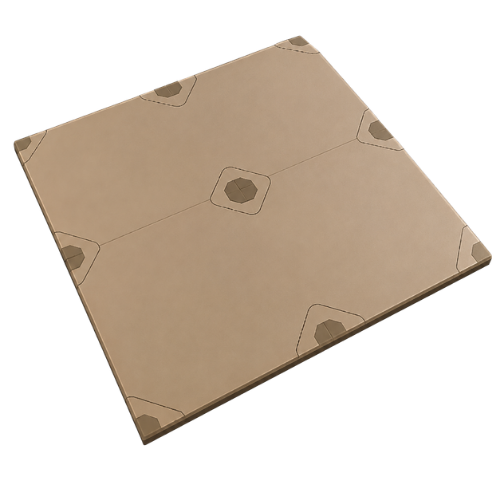
Plate
The foundation. Lay plates to grow your parcel — every building sits on them.
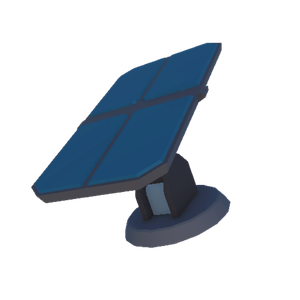
Solar Panel
Makes power — the base of every chain.
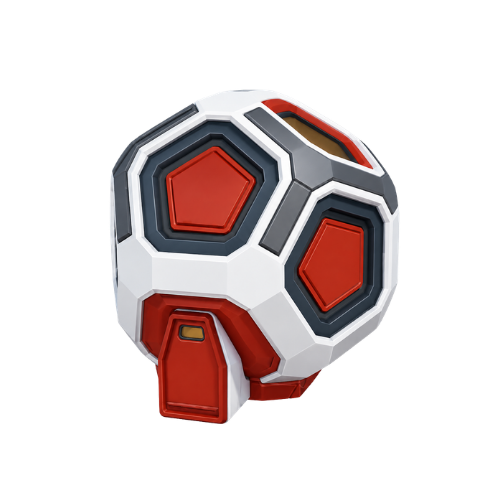
Habitat
Needs power. Rest inside to regenerate Oxygen and Health.
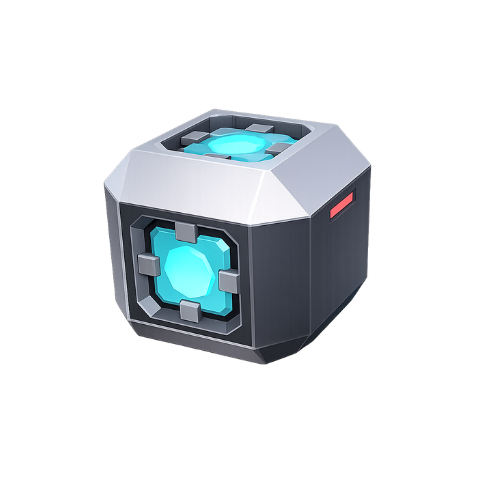
Water Extractor
Needs power, then pulls water passively. Water feeds every batch.
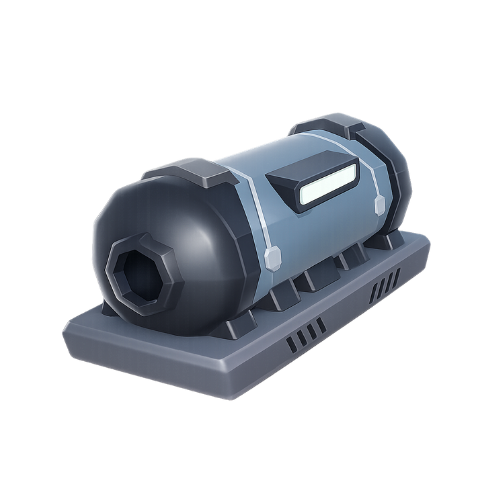
Oxygen Generator
Power + water + iron → oxygen bottles, made in batches.
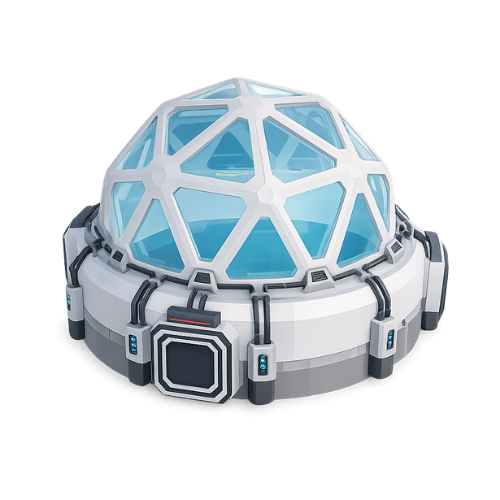
Greenhouse
Power + water + iron → food, made in batches.
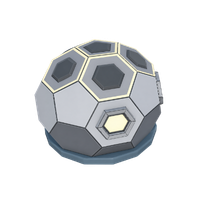
Laboratory
Power + water + iron → energy drinks — and the bench where pickaxes are crafted.
Power is a budget with priorities: Habitat → Oxygen → Water → Greenhouse → Lab. If a Solar Panel breaks, only what the leftover power can't cover shuts down — never the whole base at once.
Wear & repair. Buildings slowly wear as they run, and storms speed it up. A worn-out one stops and smokes until you repair it with Iron and Silicon. Buildings, positions and levels are all saved server-side — log out, come back, your colony is exactly as you left it.
Resources & pickaxes
Everything you build or craft starts as raw ore from the shared resource fields:

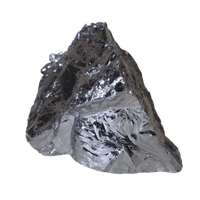



Pickaxes
Bare hands dig from day one, but slowly. A pickaxe multiplies your speed on every deposit — gold and diamond included. Three tiers, all crafted by players in the Laboratory and traded on the Market:
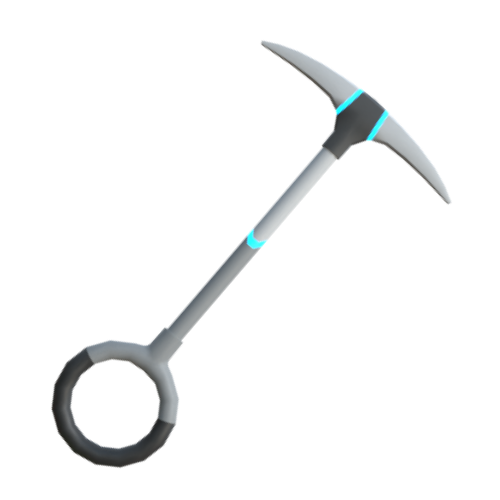
Iron Pickaxe
The everyday tool. Fast on Iron and Silicon, but wears out the quickest.
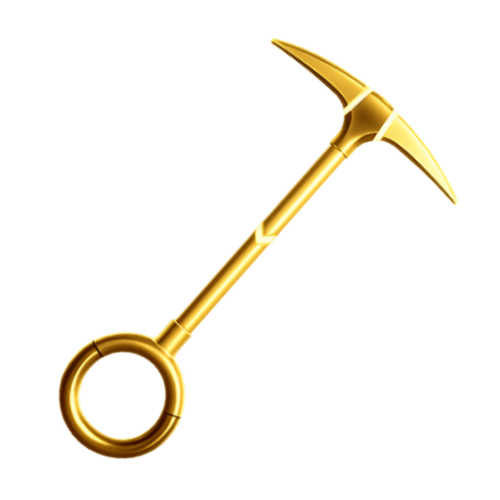
Gold Pickaxe
Faster all-round and far more durable — a real step up.
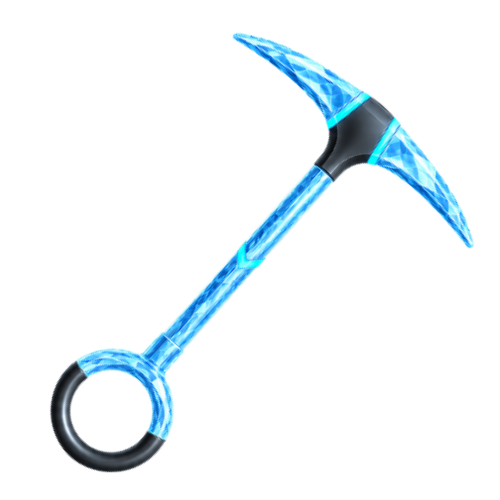
Diamond Pickaxe
Top tier. Tears through everything, gold and diamond included, and lasts the longest.
A durability bar sits over the pickaxe's icon, and only the one you're holding wears down. Select it on your hotbar to dig; when it hits zero it breaks and is gone. Like all items, pickaxes are lost on death. Oxygen, food and drinks are never mined — colonies manufacture those from power and water. Scarcity is what gives everything its value.
Your inventory
Press I to open your backpack. Everything you mine, make, buy or earn from a contract lands here — and all of it is tradable. A typical haul looks like this:
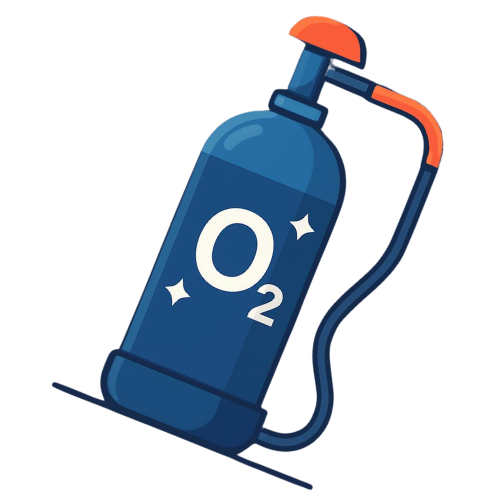
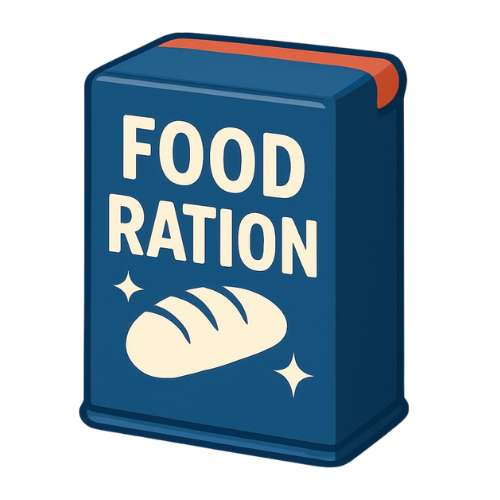
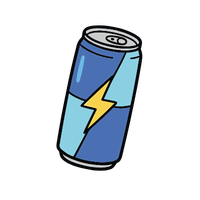
Drag anything onto your hotbar to hold or use it: hold right-mouse to drink or eat what's selected, or pick a pickaxe to dig with it. Buildings, plates and rovers are items too — you carry them until you place them. Space is limited, so when your pack is full you can't grab more: sell, store or use before a big haul, or the extra is left behind.
Economy
A closed, player-driven economy. Gold runs the colony, and almost everything of value moves between players — not out of the game.
Where Gold comes from
Gold is minted in only two places, both deliberately limited: daily contracts at the main base (three a day, up to ~190 Gold) and rare gold ore in the fields. There is no infinite faucet.
Where Gold goes
Buildings and upgrades, base and rover repairs, market fees (burned) and arena stakes. Gold is work, and it's meant to stay scarce.
The Market
- Item Market — any item from your inventory, sold to other players for Gold. Listings are escrowed and a 5% fee is burned, so trading itself removes Gold. Works across every world.
- Supply Orders — a bounty board. A colonist posts "I want 50× Iron for 120 Gold" with the reward locked in escrow; anyone can claim it and deliver within the time limit.
- Parcels — whole bases, buildings included, sold player-to-player for $MARSVERSE.
- Exchange — players swap Gold for $MARSVERSE with each other, on-chain.
Cosmetic Store & Builder
Your astronaut is yours to style — and it's purely looks, never an edge in play.
Cosmetic Store
At the main base. Browse ready-made suits, preview them on your own astronaut, and buy the ones you like with Gold.
The Builder
Assemble your own suit — mix parts and colours, spin the preview with the mouse, and forge it for Gold. Your custom suit saves to My Items with its own preview.
Robinhood Arena
The Robinhood Arena at the main base is optional 1v1 for a Gold stake. Challenge another colonist, you both lock Gold into escrow, and you settle it in the ring — winner takes the pot. It's the one place combat exists in Marsverse, and it's entirely opt-in: nobody can touch you or your colony anywhere else.
$MARSVERSE (on-chain)
$MARSVERSE is the token that ties the colony to the chain, on Robinhood Chain. You swap Gold ↔ $MARSVERSE peer-to-peer, signed in your own wallet — one click, no custodian holding your keys. The game never touches your tokens.
Every swap splits like this:
Supply only moves one way. The price of Gold in $MARSVERSE is discovered by the market — we don't set it, and we don't guarantee it.
Controls
Want the long version? The full step-by-step guide lives in How to Play.
Roadmap
Done
The foundation: the game live in beta, player-to-player trading, and the token with its burn wired into the game.
In progress
Growing it with the players: new features, fresh skins and vehicles, and more contract types.
On the horizon
Full release: the complete game, a mobile launch on Google Play and the App Store, and many more maps and worlds.
Disclaimer
Marsverse is a game and $MARSVERSE is a community token on Robinhood Chain — not an investment, and nothing here is financial advice or a promise of profit. You earn by being productive and trading with other players; any value comes from the community and the market, not from any guarantee by the team. Play for fun, and only ever risk what you can afford to lose.